Free puzzle games, sorted by the kind of thinking they ask for
232 free puzzle games that run in your browser. No download and no account. Pick a type below, or read on for how the site works and how the games were chosen.
One from each type
In each type, the game whose developer described it in the most detail. That is the whole selection rule. It is not a review.

Sort
Fruit Shelf Sort
Squeeze matching fruit into juice across 40 timed shelf levels, with locked crates, mystery shelves and sliding rows in later chapters.

Match-3
Candy Match Pop
Swap candies through 80 levels in four chapters, chasing score, collection and key goals under move or time limits.
Mahjong
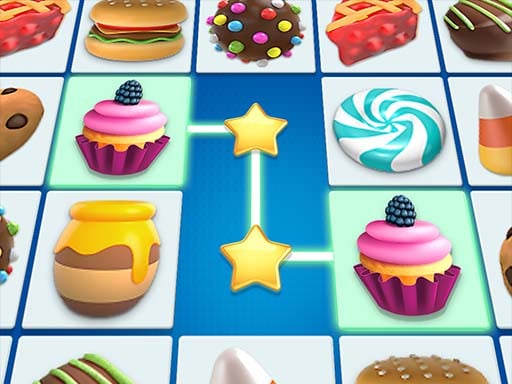
Onet 3D Match Tiles Puzzle
Link identical tiles within three lines, with no other tile blocking the path, in this portrait onet puzzle.

Connect
Water Flow Happy Glass
Draw with a pencil to steer water from a tap into a glass, and use as little ink as you can to earn all three stars.
Blocks
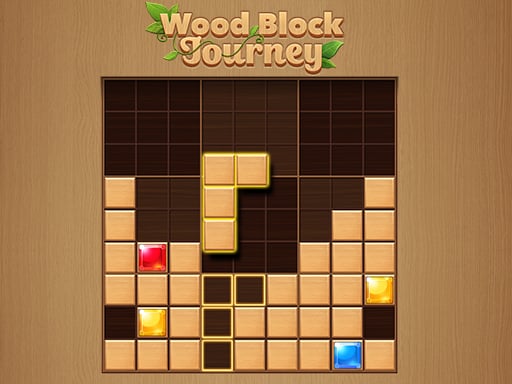
Wood Block Journey
Drop wooden shapes on a 9x9 board and clear full rows, columns or squares, either in an endless run or through a set of level missions.
Merge
Hex-2048
The 2048 number puzzle moved onto a hexagonal grid: merge equal tiles towards 2048, with a competitive mode and a global leaderboard.

Brain
Remember the numbers
Digits flash up for three seconds, then vanish. Touch where each one was, lowest first, as the sequences get longer.

Hidden object
Hidden Objects: Superthief
Help a thief for hire called Mrs. Smith lift relics from mansions and museums by finding the objects her clients want.
The eight types of puzzle
What this site is
PuzzleMoss collects free puzzle games that run in a web browser. They come from GameMonetize, a distributor that licenses HTML5 games from the people who make them so that sites like this one can embed them. The games belong to their developers. What belongs to us is the choosing, and the writing on every page.
The choosing is strict. When the site was built, the source catalogue held a little over 31,000 games. Roughly one in five was a puzzle, and a good share of those were knock-offs of famous games, aimed at toddlers, or the same game relisted under a fresh name. Those went first, leaving fewer than one game in twenty from the original catalogue. A game only made it onto the site if its developer had described it well enough for us to write at least 250 true, specific words about it. Where we could not, the game is not here, however good it might be.
How the puzzles are grouped
Most sites lump puzzles into one long list. We split them by what your head is doing while you play, because that, more than the theme or the art, decides whether a game suits you at a given moment.
Sort & Organise games ask you to put things where they belong: coloured water into tubes, nuts onto bolts, goods onto shelves. Match-3 and Mahjong & Tile Match are both about spotting sets, one by swapping pieces on a grid, the other by clearing tiles from a layout. Connect & Draw covers puzzles where you draw the answer, a pipe route or a single line through every dot. Block Puzzles are about space: fitting shapes onto a board and clearing rows before it fills up. Merge Puzzles build upwards, two small things becoming one bigger one. Brain & Numbers holds the pencil-and-paper end of things: sudoku, sums, logic grids and word games. And Hidden Object & Spot the Difference is simply about looking closely.
Finding one that suits your mood
If you want something for your hands while your mind wanders, start with sorting or merging. Both work in small, repeatable moves, so they are easy to pick up and easy to leave.
If you want to concentrate properly, try a sudoku or a logic grid, or a mahjong layout where every pair you take away changes what can be reached next. Block puzzles and match-3 suit five spare minutes: rounds are short and you find out quickly how you did. If you would rather look than reason, a hidden object scene asks for attention more than cleverness.
Every game page says how the game is played, which controls its developer lists, and whether the game is laid out for a wide screen or a tall one, which matters on a phone. Games load only when you press Play. Until then, nothing is fetched from the game provider at all.
Who runs it
PuzzleMoss is built and written by Juan and published by [COMPANY_LEGAL_NAME]. New games are added weekly. If a game breaks, or you think something here should not be, the contact page has the address, and the about page explains the filters in more detail.
Recently added
All games
Brain
Minesweeper Duel
Head-to-head minesweeper: take turns opening cells for points, and lose instantly if you hit a mine.
Brain
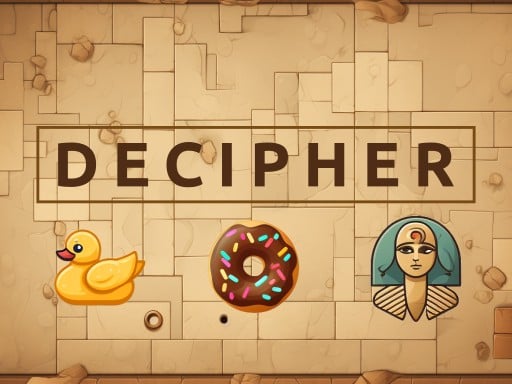
Dechipher
Decode words written in symbols, using a key that pairs each symbol with a letter. You have 1:30.
Brain
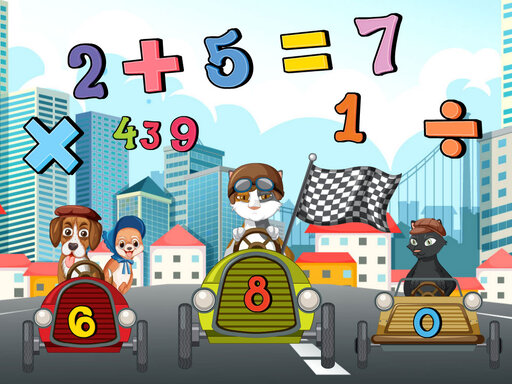
Math Memory Match
A pairs game where each expression card matches the number card holding its answer. Three lives.

Brain
Meow Sudoku
Place cats so each row, column and colour has exactly one, and no two cats touch. Power-ups can place a cat or clear colours.

Brain
Minesweeper Deluxe
Find every hidden mine by flipping squares and reading the counts of nearby mines.

Brain
Mysterious elevator
Descend a 100-floor tower one maths puzzle at a time, swapping number and sign blocks into working equations.

Brain
NG: The Word Search
A word search where hidden words run up, down, diagonally and backwards through a grid of jumbled letters.

Brain
Order of Operation Challenge
Timed multiple-choice questions on the order of operations, across Easy, Normal, Hard and Pro modes.
From the blog
- Are puzzle games good for your brain? What the research actually saysAre puzzle games good for your brain? What the big studies of crosswords, sudoku and brain training found, what they did not, and how to read the headlines.
- The best free puzzle games to play online right nowSixteen of the best free puzzle games online, two for each type of puzzle, chosen by a stated rule rather than by hype. No download, no account, no app.
- How I built a puzzle game site with AI, and what it got wrongHow I built a game site with AI from a written brief: the filters, the numbers, the mistakes the agent made, and the automated checks that caught them.